


Backflow Basics
The holiday season brings festive gatherings and extra house guests. Increased water usage is also a prime time for potential plumbing issues, especially backflow. Preventing backflow before it starts is essential because it keeps household water clean and safe.
Backflow occurs when contaminated water reverses flow and enters the clean water supply. This often happens due to changes in water pressure and can introduce bacteria and other contaminants into a home’s drinking water, posing risks to household safety and public health. High-demand events, like holiday gatherings, put extra pressure on plumbing systems, making them more susceptible to backflow issues.
In this post, plumbers from Waterford Township, MI, explain the basics of backflow and why testing is essential for keeping water safe and households protected during the holiday season.
Risks of Backflow
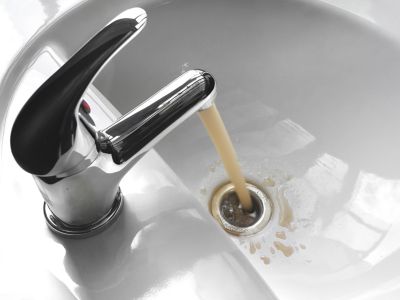 If backflow enters a home’s main water supply, it poses significant health risks. The contaminated water may carry harmful substances like pesticides, fertilizers, chemicals, and even bacteria or viruses. These chemicals can enter through irrigation systems, faulty toilets, and other plumbing fixtures where contaminants might be present.
These pollutants can mix with drinking water when backflow occurs, potentially causing gastrointestinal issues and other infections for household members. Fortunately, installing backflow prevention devices and scheduling regular testing can eliminate these risks, keeping a home’s water supply clean and safe.
What Happens During Backflow Testing
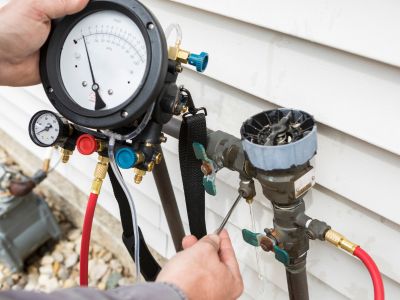 Backflow testing is a crucial preventive service. It checks if a home’s backflow prevention devices are working properly. These devices prevent contaminated water from going into the clean water supply. The testing process ensures the devices are performing accurately. It protects the household and the public water system from contamination.
How Often Should You Test Backflow Prevention Devices?
Most municipalities require annual testing for backflow prevention devices, though specific regulations may vary. Regular testing is necessary to maintain a functional device and ensure it complies with local codes.
What Happens During a Backflow Test?
When a backflow tester checks the device, they temporarily shut off the water and connect a specialized test kit to the backflow preventer. They then run tests to evaluate pressure and performance, ensuring the device effectively prevents reverse flow. After the test, the plumber documents the results and recommends any repairs or adjustments needed to maintain a safe water supply.
Why Backflow Testing Is Essential
Backflow testing is crucial for several reasons beyond basic code compliance. Some of the key benefits include:
- Prevents water contamination: Regular backflow testing is a simple way to keep the home’s water supply safe. It helps detect problems with the prevention device early and prevents contamination before it reaches household taps.
- Safeguards public health: When contaminated water enters the main water line, it can impact more than just the home—it can affect the entire community. Testing helps ensure the public water supply remains safe for everyone.
- Provides peace of mind: Knowing the water supply is free from contaminants offers reassurance, especially when hosting guests or caring for young children. Regular testing helps prevent unpleasant surprises and protects loved ones from harmful waterborne pollutants.
- Avoids costly repairs: Regular testing and maintenance of backflow prevention devices are more economical than dealing with the aftermath of contamination or facing costly repairs later.
About Superior Plumbing, Heating, & Air-Conditioning, Inc.
Since 1981, the plumbers and HVAC technicians at Superior Plumbing, Heating & Air-Conditioning, Inc. have provided quality services to Oakland County. A family-owned and operated company, they offer flat-rate pricing and 100% satisfaction guaranteed. Call them today for backflow prevention services in Waterford Township, MI.