Should You Repair Or Replace Your Gas Furnace?

furnace repair

It’s likely to happen with every old furnace, you’ll wake up on a Michigan winter morning and find that the heat is no longer running and your home is ice-cold. You turn the thermostat up and nothing happens. Your furnace has stopped working. If you’re lucky, it’s a simple, inexpensive fix. But if the furnace is getting on in years and needs extensive repairs, you’ll have to decide if replacing it with a newer model is a better option than repairing the old unit and hoping it will keep working through the rest of the winter.

How long does a gas furnace last?

A recent study by the National Association of Home Builders found that a gas furnace will last an average of 15 to 20 years. So consider the age of the unit when deciding whether to repair or replace. When a furnace is installed most technicians will write the date the equipment was installed on the unit. You can also check the manufacturer’s identification plate, which is usually on the inside of the chamber door (be sure the unit is off and cool before checking inside). Record the model and serial number, then call the manufacturer’s customer service number to obtain the date of manufacture.

Furnace Repair Costs

If the furnace is more than 10-12 years old and repairing it would cost a 1/3 or more of the cost of installing a new furnace, it may be more economical to replace the unit.

Comparing Energy Savings

With natural gas cost increasing annually, it’s important to consider is the efficiency of your old furnace versus a newer unit. A standard measure of fuel efficiency is the Annual Fuel Utilization Efficiency number (AFUE). AFUE measures the percentage of the fuel that’s converted to heat rather than being lost through inefficiency.

If the furnace is 15 or more years old, its AFUE is probably around 70. New furnaces will have an AFUE of at least 80%, which means you’ll burn 10% less fuel, saving 10% on your heating bill. High efficiency furnaces go as high a 95% AFUE , which could save you 25% on your heating bill.

Have questions about your furnace? Call Superior Plumbing and Heating. We can help evaluate your current system and recommend the most economical options for heating your home.
The Advantages of Mini-Split Heating Systems

Ductless mini-split cooling

Do you have a new addition that needs heating and cooling? Are there rooms such as 3-season porches and attics that are not sufficiently heated and cooled? Even if your home has central heating and cooling, a ductless mini-split heating can be a good option in certain situations.

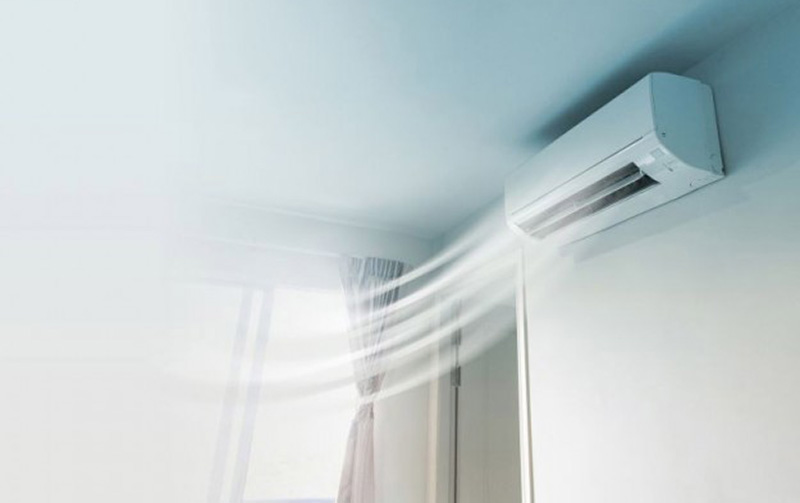
A mini-split system consists of a small air handler in each room, usually installed into the wall near the ceiling. A small conduit connects a condenser outside the home to all of the indoor air handlers. When used for cooling, they typically offer greater efficiency and improved performance compared to window AC units.

Here are some applications where mini-split systems offer an advantage over traditional central heating.

  1. Mini-split systems can be installed in older homes, attics, or new additions without existing ductwork.
  2. They can be used to solve challenging heating situations where the furnace is located too far from certain areas of the home, such a new addition.
  3. Ductless heating and cooling systems are ideal where you need to optimize the temperature of a room for a specific purpose, such as a wine cellar or cold storage.
  4. External or seasonal spaces like detached garages or 3-season porches.

If you’re interested in learning more about how ductless mini-split systems can heat your home, give Superior Plumbing and Heating a call, we’re here to help.

Sump Pump Maintenance Tips

sump pump maintenance Your home’s sump pump is one of those plumbing systems that you probably don’t think about very often, unless it’s raining heavily and there’s a chance of flooding. A sump pump is designed to turn on automatically when the basement or crawlspace begins to take on water. If it malfunctions and doesn’t turn on, water can quickly accumulate to the point where it can cause expensive damage to your home and property.
Thankfully, by following a few simple maintenance steps you can reduce the odds that your sump pump will fail when you need it the most.

IMPORTANT: Before removing or performing any maintenance on a sump pump, always disconnect the unit from the power supply. And remember to reconnect the power when you’re finished!

Quarterly Sump Pump Maintenance

1. Clean the pump screen or inlet opening. If your sump drain also collects the discharge from your washing machine, you’ll need to clean it more frequently.

2. Test that the sump pump is working. Fill a bucket with water and slowly pour it into the sump pit. The pump should automatically power up and begin removing the water from the pit. If the pump fails to start, check that the float mechanism is not obstructed. Also check that it is connected to a power supply and that the breaker has not been tripped (the circuit can be found in your electrical panel).

Annual Sump Pump Maintenance

Remove and clean the pump. Clean the pump pit also. Do not lubricate or perform any other maintenance unless the manufacturer’s manual says to do so. Ensure that the float arm is able to smoothly move up and down to active the pump. Test the operation of the pump following the instructions above.

Have sump pump questions? Call Superior Plumbing, Heating and Air Conditioning. We can help with all your home plumbing needs.

Water Heater Leaking? Here’s What to Do

Leaking Water Heater

Whether you’ve noticed a small drip, or a major leak, damage from a leaking water heater can quickly cause damage to walls and floors, as well as leading to the growth of unhealthy mold and mildew.

First, if you see moisture near your water heater, it may not actually be coming from the water heater. Nearby appliances or condensation on pipes near the water heater could be causing moisture to accumulate nearby. Closely inspect the base of the water heater and valves for signs of leaks.

If you determine the water heater is the cause of the leak, the first step is to turn off power to the water heater. If you have an electric water heater, turn the power off from the circuit breaker. A gas water heater can be shut of from the power supply attached to the unit, usually be turning a knob to the off position. Next, turn off the water from the cold water shut-off valve located near the top of the water heater.

Water heater leaks can occur in several locations, including: the cold water inlet and hot water outlet, the pressure relief valve, the drain valve, and the bottom of the tank. Fixing a water heater is not a do-it-yourself project. A qualified plumber should make the repair. Depending on the location and severity of the leak, your plumber will either have to repair the water heater replace it.

Preventing Damage From Water Heater Leaks

For an extra measure of protection from unexpected water heater leaks, specially designed pans can be installed under the water heater to divert water leaks to a nearby floor drain. There are also special water leak alarms that can turn off the water when a leak is detected from the water heater or another source.

Should I Repair or Replace My Air Conditioner?

Repair or Replace?

A central air-conditioner will typically last 12 to 17 years. Of course, there are several factors that determine how long an AC will last, including how much the AC has been used every summer and whether it has been professionally maintained on a regular basis.

Here are 5 factors to consider when making a decision whether to repair your current AC or invest in a new system.

How old is the Air Conditioner?

If it’s approaching the 12th year of service, it’s time to plan on replacing the unit sooner rather than later. Older units are usually much less efficient and need more frequent repairs. In addition, some older central air conditioners units use Freon, which is being phased out and is expensive to refill.

What needs to be repaired?

Minor problems like clogged drain lines are less expensive to repair than blower motors, condenser coils and compressors. It may be better to invest the money for expensive repairs in a new air conditioner.

How efficient is the unit?

Newer, high efficiency air conditioners can have up to 20 SEER efficiency ratings, reducing energy use and operating costs significantly. If the current unit is less than 13 SEER, you can expect significantly lower energy consumption from a newer unit.

Frequency of repairs

If repairs or breakdowns have becoming more frequent in recent years, it may be best to invest the cost of repairs in a new unit. Your home may also have become less comfortable as the AC gets older and can’t keep up in hotter weather.

Is the Current Air Conditioner the Right Size?

An oversized unit will cycle more often, be prone to early failure and have poor humidity control. A new, professionally installed system using heat gain calculations will be matched to your home’s unique requirements.

Have questions about your central air conditioner? Give us a call, we’re happy to answer all your questions.

Running Out of Hot Water Too Often?

Running out of hot water too quickly?

Does your shower start out nice and hot, then quickly turn cold after just a few minutes? If the problem is only happening while taking a shower, it could be the shower mixer. A shower mixer is the valve that mixes hot and cold water in your shower to obtain the desired water temperature. Temperature control shower valves have a spring that turns the hot water supply down when it detects a change in the water temperature. As the spring ages and wears out it results in a loss of hot water temperature.

If the hot water pressure problem is only occurring at a single faucet, your plumber can check the pressure balance and temperature control on the fixture.

Broken Dip tube

If there is a reduction of hot water throughout the home, the cause is likely at the water heater. A common cause of rapid hot water loss is a broken dip tube. The dip tube is a pipe inside the water heater that sends cold water from the supply line through the hot water to the bottom of the tank where the burner heats it up. If the dip tube breaks, the cold water will empty at the top of the water heater, causing it to overrun the hot water outlet. The result is cold water being sent throughout the house.

To determine if the dip tube is the cause of the problem your plumber will need to pull the cold water inlet pipe out of the water heater to check the condition of the dip tube. The tube can usually be replaced if it is damaged.

Undersized Tank

If your household has grown in size, or you have added a new bathroom, the existing tank may be too small to meet your hot water needs. Your plumber can help determine the right size tank to install by estimating the amount of daily hot water use.

Another option to avoid running out of hot water is to install a tankless water heater. Tankless water heaters heat water on demand only when it’s needed, resulting in a continuous supply of hot water. They are also more energy efficient, since they don’t have to keep a large storage tank of water heated at all times.

Water Heater Age

A tank-style water heater will typically last around 10 years. Over time, as sediment builds up at the bottom of the tank it can lead to corrosion. The burner will gradually become less efficient, producing less hot water in the same period of time. When deciding whether to repair or replace the water heater it’s important to consider the age and condition of the unit. Replacing an 8-10 year old water heater with a newer, more efficient unit, will likely result in lower utility bills.

Have water heater problems? Call Superior Plumbing & Heating. We can help diagnose the cause and recommend effective solutions to get the hot water flowing again.

How Does Aeroseal Duct Sealing Work?

How Does Aeroseal Duct Sealing Work?

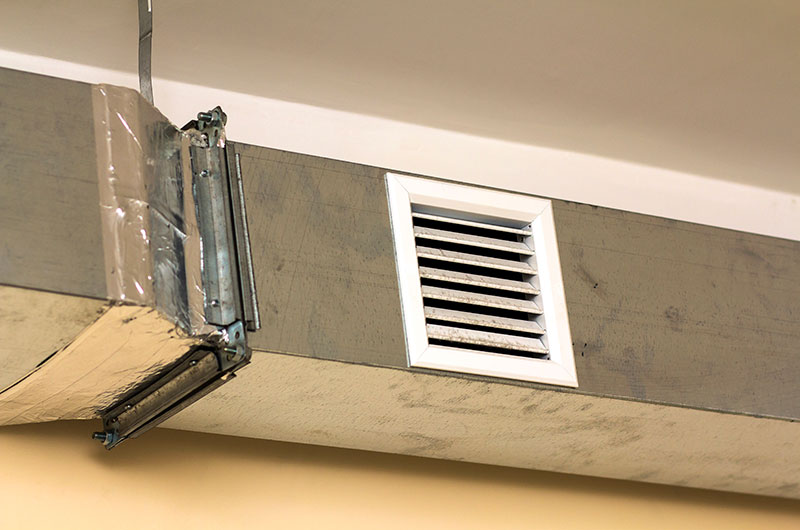
With energy costs rising steadily, many homeowners are looking for ways to reduce energy loss and maximize the efficiency of their home’s heating and cooling system. Even homes that are well insulated and have newer, ultra-efficient central heating and air conditioning systems, as much as 20 to 30 percent of the conditioned air never makes it to the rooms where it is needed. Why? Because of leaks in the duct work.

It’s important to remember that your furnace and air conditioner are part of a system. Your home’s air delivery system is a complex network of metal ducts and joints connected and sealed with tapes and adhesives. However, even with professional taping and insulation of air ducts, the air loss around seams and joints is significant.

This air duct leakage translates into extra air that must be supplied to maintain sufficient heating or cooling throughout the home. This means increased heating and cooling loads, and more fan energy needed due to increased flow and/or run time.

Sealing air ducts greatly reduces the amount of heated or cooled air the supply fan must handle to deliver the same amount of air to the conditioned space.

How Does Aeroseal Duct Sealing Work?

Aeroseal Duct Sealing is a patented technology that tackles leaks from the inside out. Aeroseal software allows your HVAC technician to accurately measure the duct leakage in the home. To seal leaks in the air ducts, the Aeroseal process puts escaping air under pressure, which causes polymer particles to stick to the edges of a leak, the polymer gradually builds up at the leak until the opening is completely sealed off.

The Benefits of Duct Sealing

In addition to the annual cost savings of hundreds of dollars, you’ll enjoy greater comfort and improved indoor air quality. Rooms that were hard to heat or cool will have more even temperatures and be more comfortable, while dust and fumes from once leaking return air ducts will no longer be drawn back into the fresh air supply.

Interested in learning more about how duct sealing with Aeroseal can help insulate your home from the high cost of heating and cooling? Call Superior Plumbing and Heating for complete details.

Spring Plumbing Checklist

Spring Plumbing Checklist

Spring is a good time to take a look around your home to find any plumbing issues that could lead to expensive repairs down the road.  Problems like hidden water leaks and slow drains can grow from small problems to extensive damage if left unchecked. Here are some areas we recommend inspecting regularly.

Kitchen Plumbing

  1. Check the faucet for drips.
  2. Check under the sink for signs of water leaks, including water stains or mold.
  3. Inspect the operation of the garbage disposal. Does it make unusual sounds or sound louder than it should?
  4. Are kitchen drains emptying slowly? Have them cleaned if necessary.

Bathroom Plumbing

  1. Look for drips and leaks around toilets
  2. Check for cracks in the toilet tank and bowl.
  3. Does the toilet run for longer than it should? Does the handle need to be held down to empty completely? Have worn out parts replaced if necessary.
  4. To see if the toilet is leaking, add several drops of food coloring to the tank. Check the bowl 30 minutes later. If the water in the bowl has become colored, there is a leak. Have the toilet repaired if necessary.
  5. Check drains by filling sinks, tubs and showers with water. Do they empty quickly? Or do they need cleaning?
  6. Check faucets and shower heads for excessive mineral build up. Soak fixtures in vinegar overnight to dissolve the deposits.
  7. Install a low-flow shower head. This will save a significant amount of water and reduce your water heating bill.

General Plumbing

  1. If plumbing fixtures are unused for long periods of time, exercise facets and valves under sinks and toilets to prevent sticking.
  2. Check the water heater thermostat.  It should be set to 120 or lower to prevent scalding.
  3. Flush the water heater tank to remove sediment at the bottom of the tank that can reduce efficiency and lead to corrosion. Check your water heater manual for the proper procedure for draining and maintaining the unit.
  4. If the water heater is over 12 years old, consider replacing it with a newer, more efficient model.
  5. Ensure there ere no flammable liquids stored near the water heater.
  6. Check washing machine hoses for bulges, cracks or other signs of wear. Replace the hoses if they have deteriorated.
  7. Pour a bucket of water into floor drains to fill the trap and prevent odors.
  8. Check for signs of water leaks in ceilings and under sinks.
  9. Ensure that plumbing vents on the roof are free of obstructions such as bird nests and debris.
  10. Check that the sump pump is working by pouring a bucket of water in the pump pit. The pump should turn on a drain the water away.

If you have water leaks, slow drains or other plumbing problems, call Superior Plumbing and Heating. We can help with all your plumbing repair and installation needs.

Choosing a Home Generator

Residential Generator Installation

Power failures caused by storms or damage to the electrical grid are more than just an inconvenience, they can cause expensive damage your property. When the power goes out you lose heating and air conditioning, well pumps, refrigeration, and sump pumps – to name just a few essential electrical appliances in the average home. The result can be water damage, spoiled food and a myriad of other problems.

With the frequency of power outages in the greater Waterford area related to the increasing intensity of storm systems and an over-burdened electrical grid, a backup power generator has become an essential appliance for many homeowners.

It’s hard to appreciate just how important a home generator is until the power has been out longer than a few hours. Generators sell out quickly right before and during emergencies, so it’s important to have a plan ahead of time. The best solution for recurring power outages? A whole home standby generator that runs off your home’s natural gas or propane supply.

Types of Home Backup Generators

The two main types of residential generators are portable and permanent standby. If you plan to power a few lights, your refrigerator and a furnace, a less expensive portable generator may provide enough power. But keep in mind that you will need to ensure you have enough fuel on hand before the power goes out.

If you intend to run your lights and air conditioner, along with a well pump, sump pump, a freezer and other major appliances a permanent standby model is the best option. Permanently installed generators are connected directly to your home’s utilities, when the power goes out they automatically start up to provide power for extended periods of time.

Professional Residential Generator Installation

When considering a generator for your home it’s important to hire an experienced electrician who understands the types of generators available and can match the system to your home’s existing power needs. At Superior we install of residential generators throughout the greater Waterford area.

With a Superior home generator installation, you will have the peace of mind knowing that you are getting the right generator for your specific needs and professional service for the life of the unit. Call us today to discuss your backup power needs.

Signs Your Air Conditioner Needs Service

central air conditioner problems

A central air conditioner will often provide clues that it is not working properly. By paying close attention to the symptoms of a malfunction or underperforming AC and addressing the small issues right away, you can avoid an unexpected and costly breakdown in the future.

1. The AC is Making Strange Noises
If you hear knocking, pinging or other unusual sounds, don’t ignore them. They may indicate that there are loose or worn parts that are about to fail.

2. Your Utility Bill Is Unexpectedly High
Air conditioners generally become less efficient as they get older, making annual maintenance all the more important. As the system runs more to keep the temperature the same, your utility bill will also increase.

3. All Or Some Areas of the Home Are Not Cool, Even When You Lower the Thermostat
If the system is not able to keep up with demand, it may be low on refrigerant, have a blocked, frozen or leaking evaporation coils.

4. The Air Is Cold, But Too Humid
Humid air can be a sign of leaking air ducts, an AC unit that is not properly sized for the home, a frozen condenser coil or another malfunction. Superior can diagnose the cause and recommend solutions.

If you’re experiencing AC comfort, energy usage, noises, or other problems, give Superior a call. We can help diagnose the cause and recommend solutions to keep your AC in top condition.